

Digital Payment
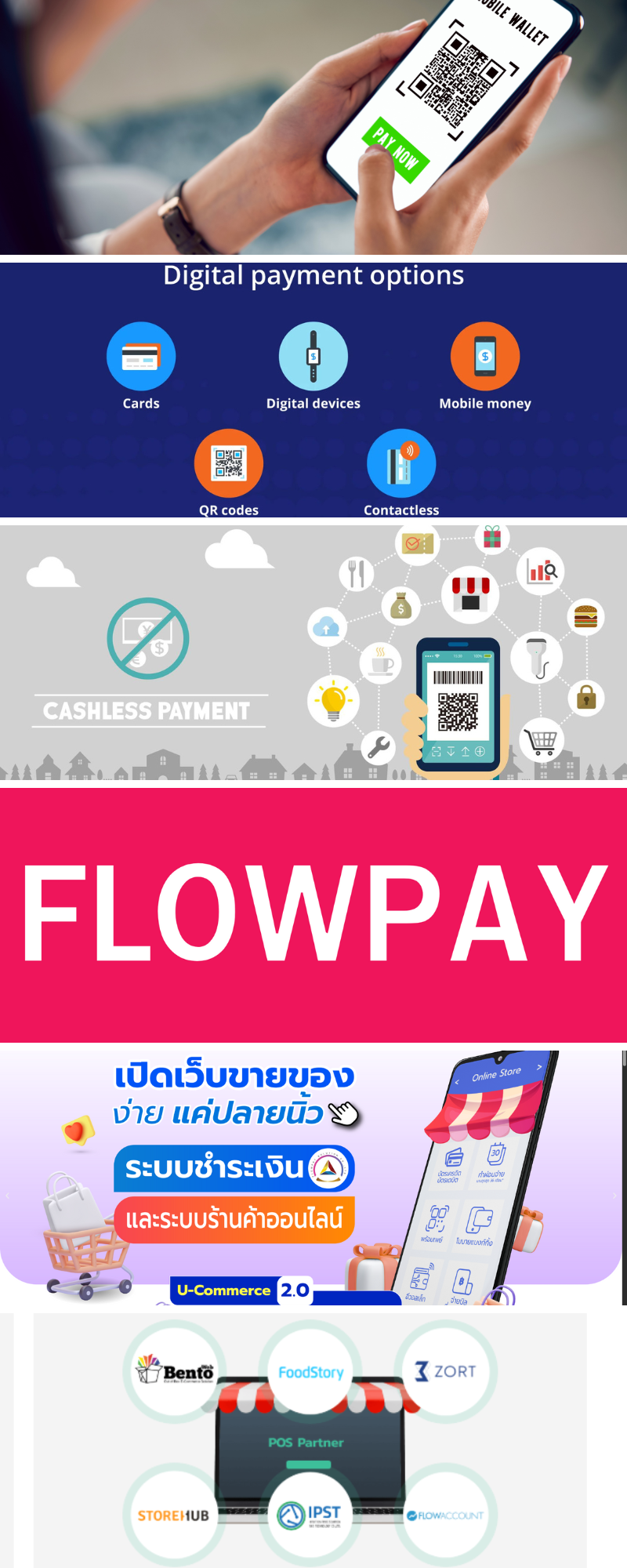
Digital Payment refers to the transfer of funds from one account to another using digital channels, such as online banking, e-wallets, credit/debit cards, or digital currencies.
Types of Digital Payment Systems:
- Credit/Debit Cards: Using physical or digital cards to make payments online or at physical stores.
- Mobile Wallets: Digital wallets stored on smartphones, allowing users to make payments using their mobile devices.
- Online Banking: Making payments through bank websites or mobile applications.
- Peer-to-Peer (P2P): Transfers: Sending money directly between individuals via apps or digital services.
- QR Code Payments: Scanning a merchant’s QR code to initiate a payment.
- Digital Currencies: Using cryptocurrencies, such as Bitcoin, for transactions.
- Bank Transfers: Transferring funds directly from one bank account to another.
- Mobile Money: Using mobile network services to send and receive money.
Flowpay x IPST
(KBank Partner)
Flowpay: A Digital Payment Solution Designed for Small Businesses
In today’s fast-paced digital economy, small business owners often face challenges in accessing efficient financial services—whether due to complicated processes, strict requirements, or fees that are not aligned with their business scale.
Flowpay was developed specifically to address these challenges. We understand that small businesses need a system that is simple, flexible, and easy to get started without high upfront costs. That’s why Flowpay is designed to be more accessible than other solutions in the market:
-
✅ Easy onboarding No complex requirements, minimal documentation, and no need for extensive financial history
-
✅ Ready to use instantly Start accepting payments quickly without relying on developers
-
✅ Fair and transparent fees Designed to suit small businesses without impacting profitability
-
✅ Dedicated support Our team is here to guide, support, and assist you every step of the way—like a true business partner
Most importantly, Flowpay is developed in collaboration with IPST Thailand , a direct partner of Kasikornbank. This ensures a high level of security, reliability, and service standards aligned with financial institutions.

Top-Up System
Key Components of a Top-Up System
- Payment Channels
Users can top up their balance through various channels such as web browsers, mobile applications, self-service kiosks, online banking, or authorized retail outlets. - Processing System
The system verifies transaction details—such as top-up amount, account number, or card credentials—to ensure accuracy before processing and updating the balance. - Database
A secure database stores user account balances and transaction history, enabling reliable record-keeping and audit tracking. - Notification System
Users receive real-time notifications regarding their top-up status, including successful confirmations or alerts in case of issues.
Queue Management
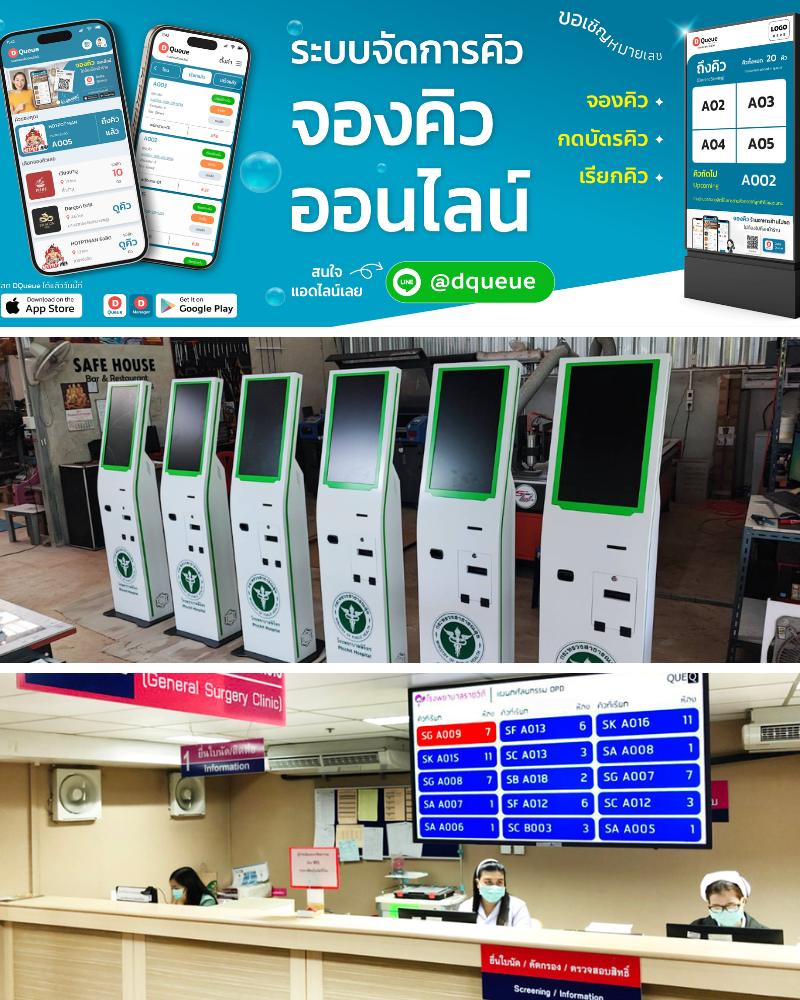
A queue management system plays a vital role in service environments such as banks, hospitals, and customer service centers. Its primary purpose is to improve organization, ensure orderly customer flow, reduce waiting times, and enhance overall service efficiency. This section outlines a simple approach to designing and implementing a queue management system, focusing on key concepts such as data structures, user interaction, and system functionality.
Key Components
- User Interface: Enables both customers and staff to interact with the system. Customers can join the queue and track their position, while staff can efficiently manage and serve the queue.
- Queue Data Storage: Typically uses data structures such as lists or linked lists to store and manage customer information in the queue.
- Operational Logic: Handles core functions including adding customers to the queue, serving them, and removing them once service is completed.
How It Works
- Adding Customers: When a customer arrives, they are issued a queue number and added to the end of the queue.
- Serving Customers: The system selects the first customer in the queue to receive service.
- Removing Customers: Once service is completed, the customer is removed from the queue, and the next customer is called forward.
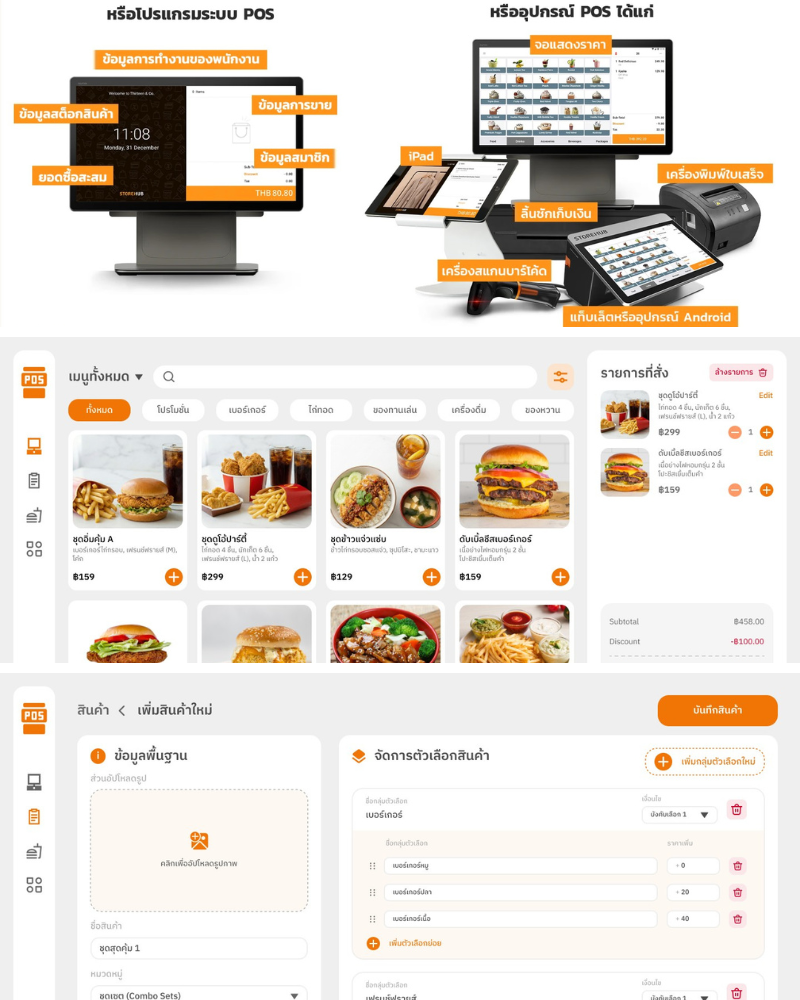
POS (Point of Sale)
- Payment Processing
A POS system enables businesses to accept various forms of payment, including cash, credit cards, debit cards, and mobile payments. - Inventory Management
Helps businesses track and manage inventory efficiently, reducing stock shortages and preventing overstocking. - Billing and Receipts
Generates invoices and receipts quickly and accurately, ensuring smooth transaction handling. - Reporting and Analytics
Provides valuable insights into sales performance, best-selling products, and inventory status—supporting better planning and decision-making. - Customer Management
Stores customer information, allowing businesses to build stronger relationships and offer targeted promotions. - Employee Management
Tracks staff working hours and assists in managing cash flow within the register.
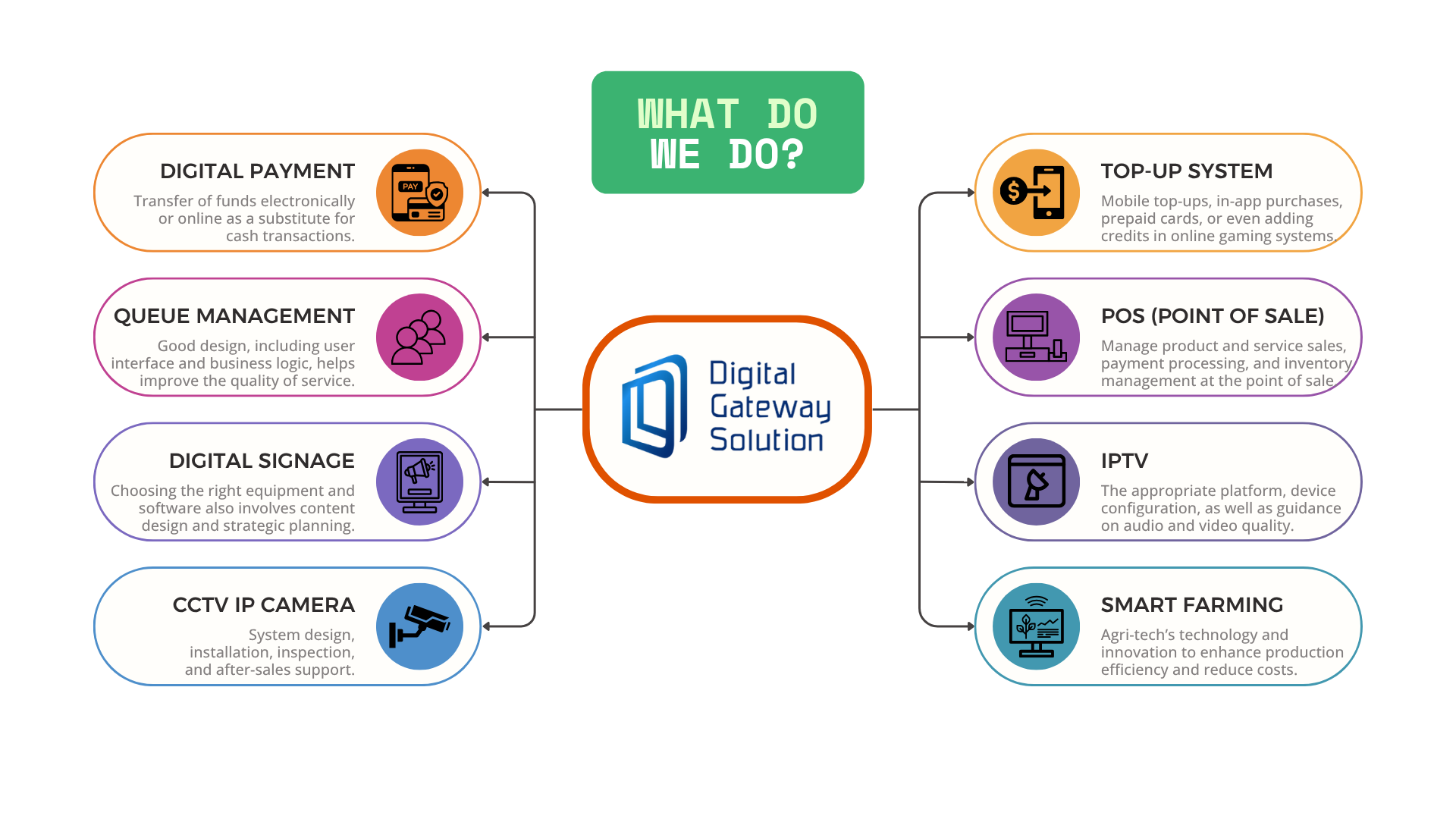
Digital Signage
Digital Signage: Elevating Communication with Digital Displays
Digital Signage is a powerful technology that enhances communication and creates impactful visual experiences for your target audience. By utilizing digital displays to present information, advertisements, or announcements with engaging design, it helps capture attention across various environments—such as retail stores, offices, transportation hubs, and public spaces.
Professional consultation in Digital Signage is essential for businesses and organizations looking to maximize the effectiveness of this technology. Our services go beyond selecting the right hardware and software—we also support content design, presentation strategy, real-time content management, and data analytics to measure performance and optimize results.
If you are looking to strengthen your brand image and communicate more effectively with your audience through Digital Signage, we are ready to provide expert guidance and tailored solutions that best fit your business needs.

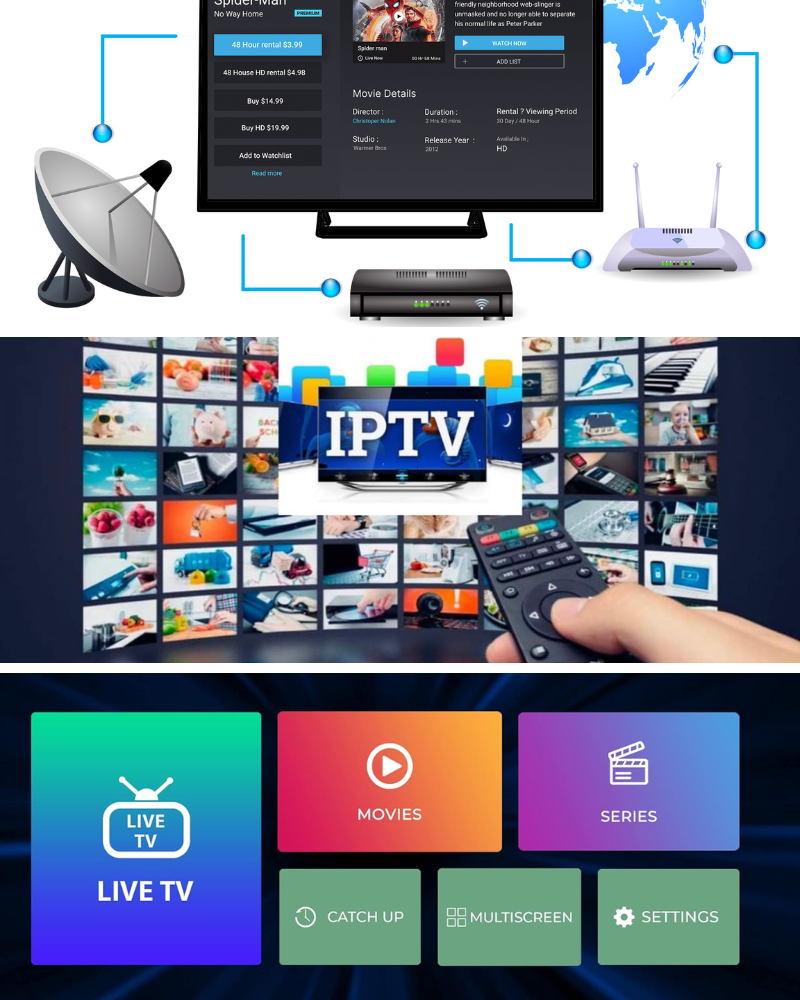
IPTV
IPTV: A New Choice for Entertainment in the Digital Era
In today’s rapidly advancing technological landscape, IPTV has become an increasingly popular way to access entertainment. IPTV (Internet Protocol Television) allows users to watch television via the internet, offering greater convenience and a wide variety of content choices. With high-quality video and audio, users can enjoy their favorite programs anytime, anywhere.
Professional IPTV consultation is essential for those looking to start or enhance their IPTV services. Our consulting services cover platform selection, device setup, content management, and optimization of video and audio quality—ensuring the best possible viewing experience.
Whether you are seeking a more convenient way to enjoy entertainment or exploring both free and premium IPTV services, we are ready to provide expert guidance and recommend solutions tailored to your needs.
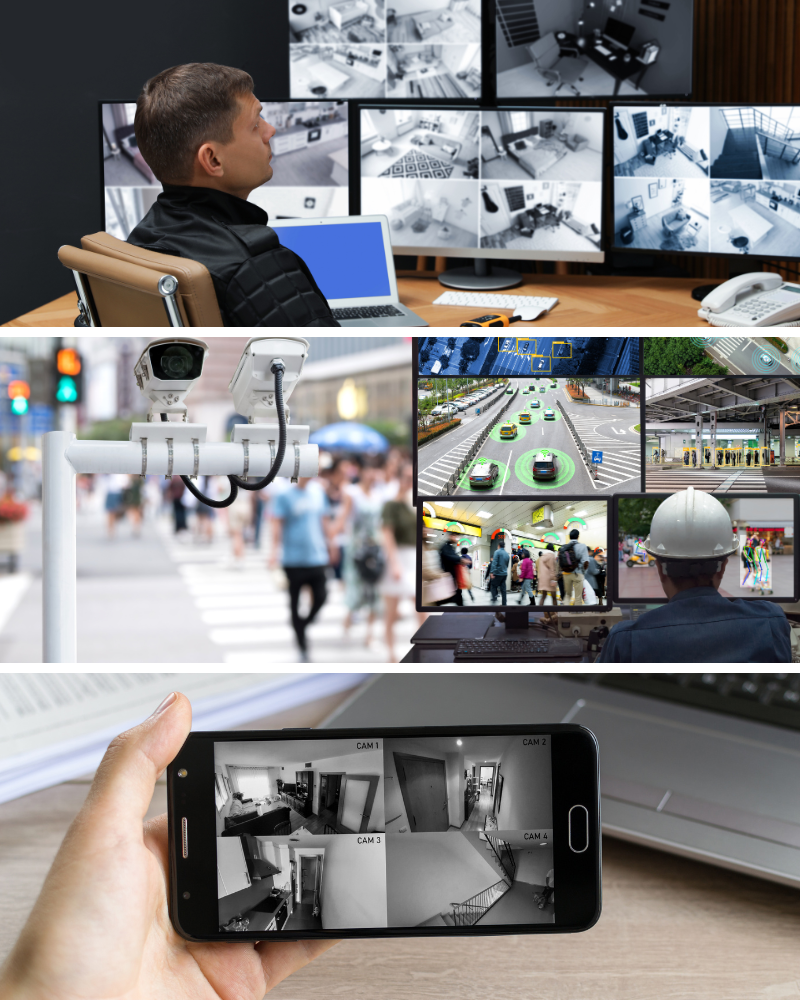
CCTV IP Camera
System Consultation and Design
Our experts help you select the right cameras based on your space and budget, along with planning an installation layout that ensures full coverage and optimal efficiency.
Troubleshooting and Support
If you encounter any issues with your cameras or system, our specialists are ready to provide guidance and resolve problems effectively.
After-Sales Service
Including system maintenance, repairs, and upgrades to keep your security system up to date.
Performance and Value Assurance
Our consultation ensures that your CCTV system is cost-effective and delivers reliable performance for maximum security.
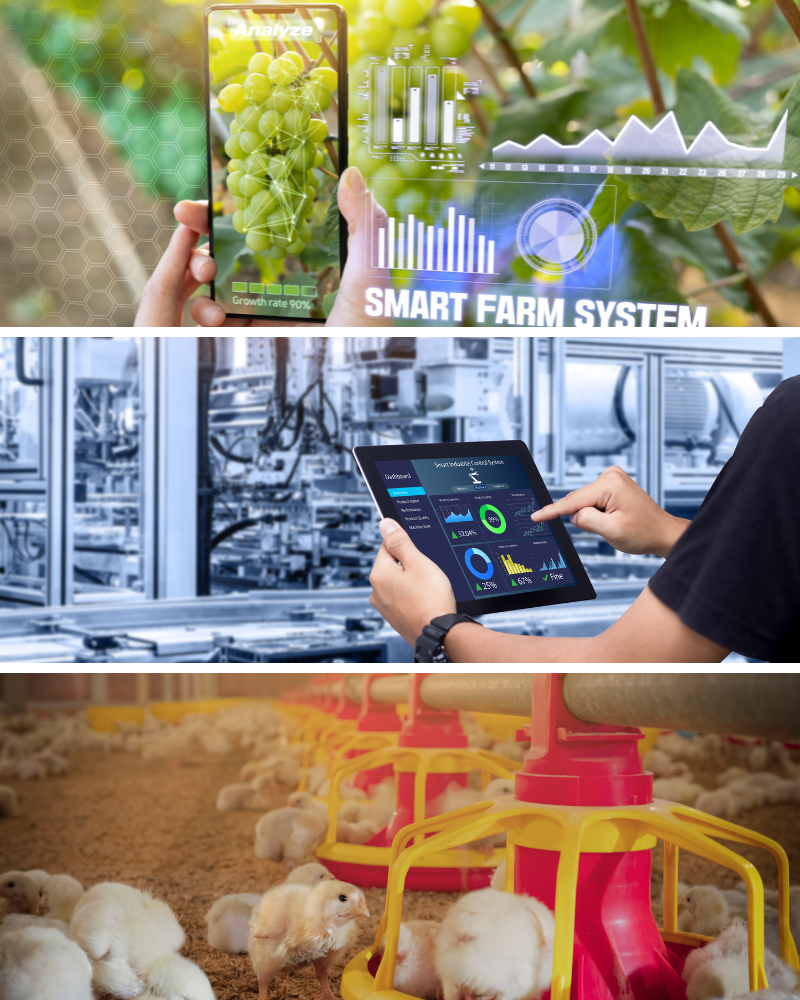
Smart Farming
Key Components of a Smart Farming System
- Sensor Technology
Sensors collect environmental data such as temperature, humidity, light levels, and soil conditions. - Data Analytics
Collected data is analyzed to assess crop conditions and improve farm management decisions. - Automation and Control
The system can automatically control equipment such as irrigation systems, climate control, and pest management. - Information and Communication Technology (ICT)
ICT enables farmers to access data and remotely monitor or control systems via mobile devices. - Artificial Intelligence (AI)
AI can be used to predict weather conditions, estimate crop yields, and provide recommendations for optimal farm management.
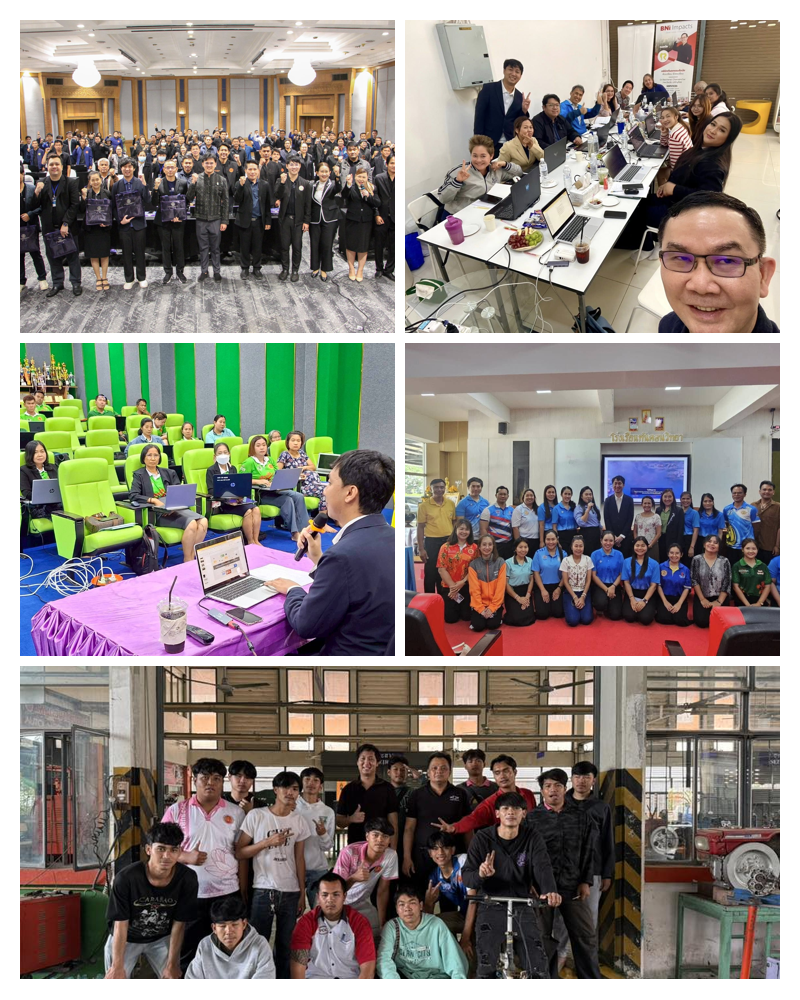
training-workshops
ในยุคที่เทคโนโลยีก้าวหน้าอย่างรวดเร็ว การนำปัญญาประดิษฐ์ หรือ AI เข้ามาประยุกต์ใช้ในห้องเรียนได้กลายเป็นทางเลือกที่ได้รับความนิยมและมีความสำคัญเพิ่มขึ้นอย่างต่อเนื่อง AI สำหรับครู คือ การใช้เครื่องมืออัจฉริยะเข้ามาช่วยในการจัดการเรียนการสอน ซึ่งมอบความสะดวกสบายและความหลากหลายในการเนรมิตสื่อการสอน ทั้งภาพ วิดีโอ และสไลด์นำเสนอที่คมชัดและมีคุณภาพสูง รวมถึงสามารถช่วยลดภาระงานเอกสาร ออกข้อสอบ และจัดทำแผนการสอนได้ทุกที่ ทุกเวลา
การให้คำปรึกษาและจัดอบรมด้าน AI ครู จึงเป็นสิ่งสำคัญสำหรับสถานศึกษาหรือหน่วยงานที่สนใจเริ่มต้นใช้งาน หรือต้องการปรับปรุงทักษะดิจิทัลของบุคลากรให้ตอบโจทย์ความต้องการ ตัวหลักสูตรและการให้คำปรึกษาอาจครอบคลุมด้านการเลือกใช้เครื่องมือ AI ที่เหมาะสมกับการศึกษา การฝึกเขียนคำสั่ง (Prompt) การสร้างสื่อมัลติมีเดียในพริบตา รวมทั้งการให้คำแนะนำด้านการวัดและประเมินผลอัจฉริยะ เพื่อให้คุณครูและผู้เรียนได้รับประสบการณ์การเรียนรู้ที่ดีที่สุด